
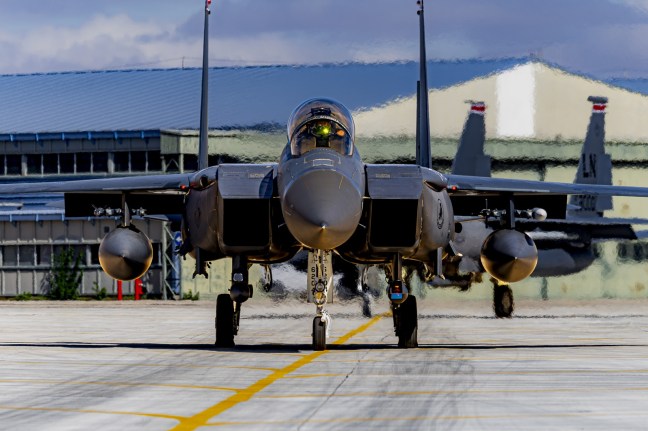

The Tactical Training Programme (TLP) remains a fundamental pillar in the tactical preparation of the air forces of allied nations, and my visit to the Los Llanos Air Base, in Albacete, on September 25, 2024, allowed me to see first-hand how this institution continues to adapt to the challenges of today’s world. Under the direction of Colonel César Óscar Acebes Puertas, the TLP is positioned as a benchmark in the training of tactical leaders in a multinational environment, focused on the integration of new technologies and the improvement of interoperability between allied air forces.
A Journey in the Heart of BPD
My day began when I was greeted by Chief Warrant Officer Cascales , who accompanied me throughout the visit. After a warm welcome, I headed to the main building of the TLP, a modern training center designed to host both theoretical courses and flight practices in real and simulated conditions. The atmosphere at the base was calm, but at the same time there was an atmosphere of preparation and professionalism, typical of a center of excellence such as the TLP.
Shortly after, I had the opportunity to interview Colonel César Óscar Acebes Puertas, who assumed command of the TLP in July of this year. His experience in the Air Force and his focus on innovation and international cooperation make him an ideal leader to guide the TLP at a key moment for NATO air forces. During our conversation, the colonel highlighted the importance of multinational tactical training and the essential role that interoperability plays in the ability of allied forces to act in a coordinated manner in joint operations.
Innovation and Technology: Keys to TLP
One of the aspects that impressed me most during the visit was the TLP’s focus on technological innovation. Colonel Acebes underlined the importance of advanced simulation in pilot training, mentioning the use of MACE software , which allows the first missions of the flight course to be carried out in a synthetic environment. This type of simulation, based on the LVC (Live – Virtual – Constructive) capability , offers pilots more complete and efficient training, especially in cases where weather conditions make real flights impossible.
In addition, the colonel emphasized the integration of 5th generation aircraft , such as the F-35, and unmanned platforms, such as the MQ-9 Predator , into TLP flight courses. These advances allow future tactical leaders to adapt to the most modern and complex systems being implemented in NATO air forces.


The Challenge of Multinational Interoperability
Another central topic of the conversation with Colonel Acebes was interoperability between participating nations. The TLP has established itself as a key center for improving this capacity, not only in the operational aspect, but also in shared maintenance tasks . A recent example was the success of the Pacific Exercise Skies , in which Spain and Germany made significant progress in the joint maintenance of the Eurofighter aircraft . However, the colonel acknowledged that there are still challenges to overcome, especially in the standardization of allied fleets and maintenance procedures.
During our discussion, Colonel Acebes also mentioned the participation of the European Air Group (EAG) in the TLP flight courses, which aim to improve interoperability between countries operating the Eurofighter . Cooperation between the consortium nations has been key to advancing common maintenance and standardization of procedures, which ultimately improves the operational capability of allied air forces.
A Strategic Vision for the Future
Throughout the interview, it was clear that Colonel Acebes has a clear strategic vision for the future of the TLP. His main goal is to keep the TLP at the forefront of tactical training, not only through the adoption of new technologies, but also by fostering cooperation between allied air forces . This cooperation is not limited to the operational field, but also encompasses initiatives aimed at strengthening ties with the local community of Albacete. The colonel mentioned that one of his personal goals is to bring the TLP closer to young people, through collaborations with educational entities so that the new generations learn about the program and get involved in activities related to military aviation.
After the interview, I went to the facilities of the participating crews to have lunch accompanied by Chief Warrant Officer Cascales . During the meal, I had the opportunity to exchange impressions about the daily life of the pilots and the staff who make the TLP courses possible. It was an enriching moment of exchange, where I was able to grasp first-hand the importance given to the training of future leaders.
Preparations and Observation of Operations
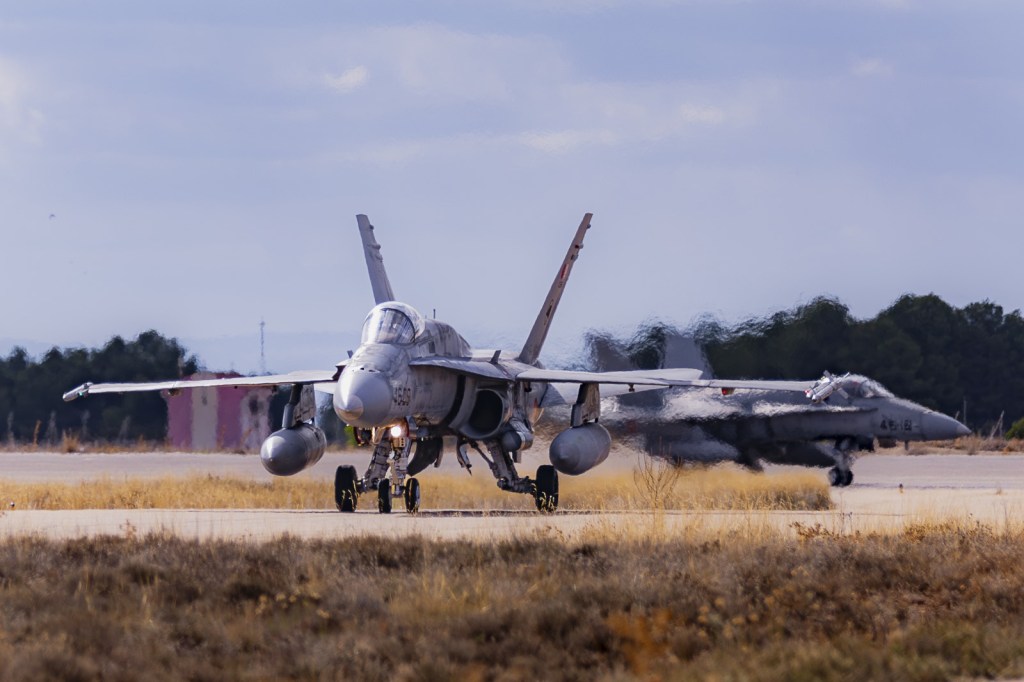
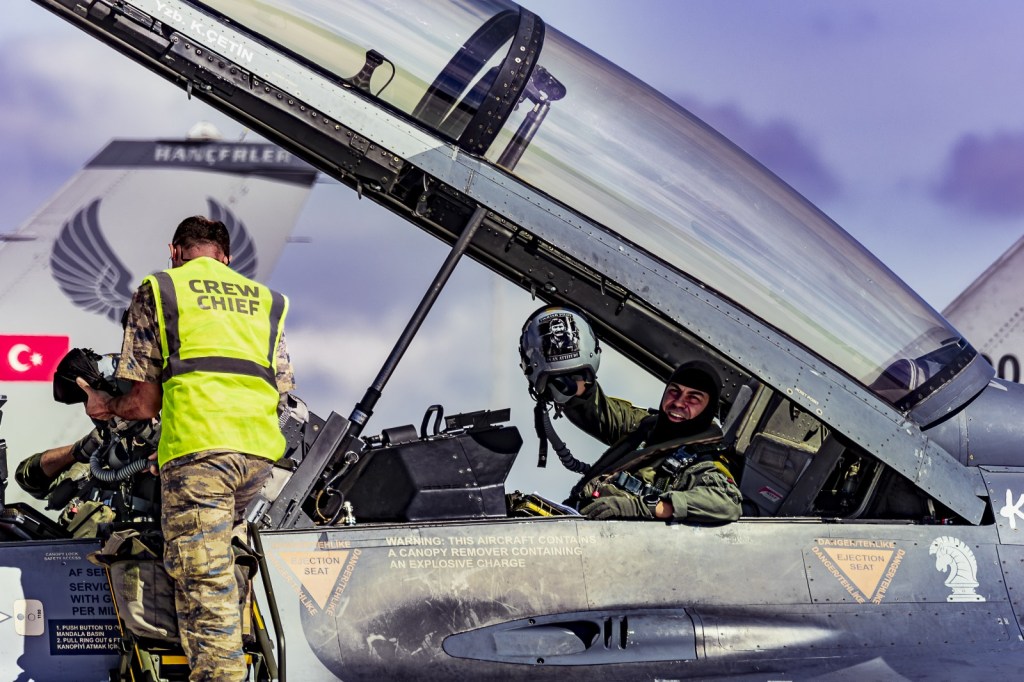
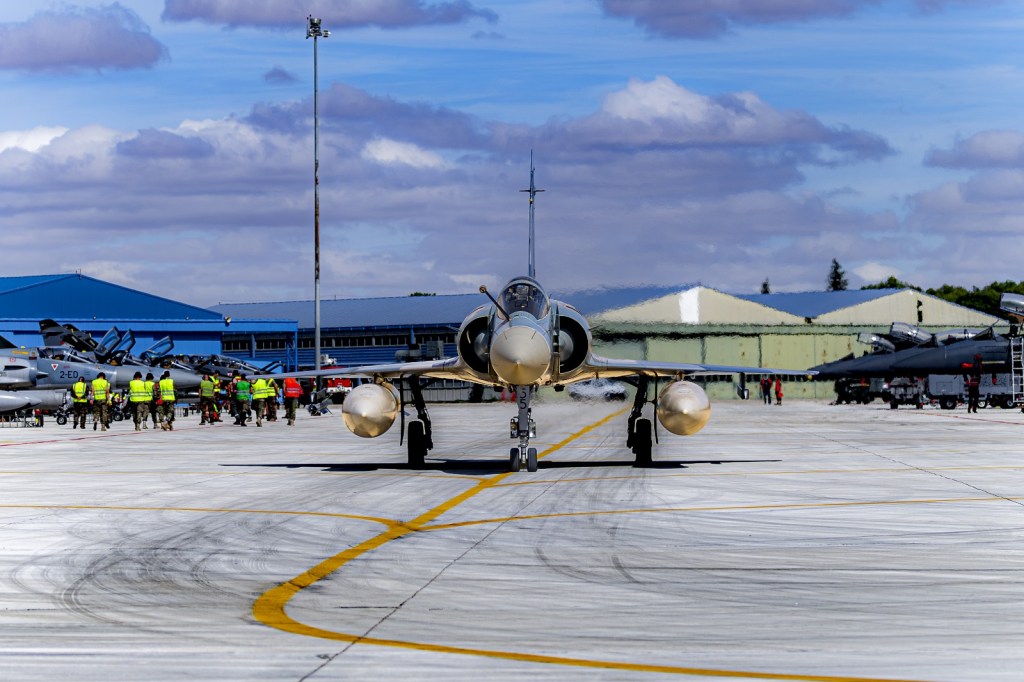
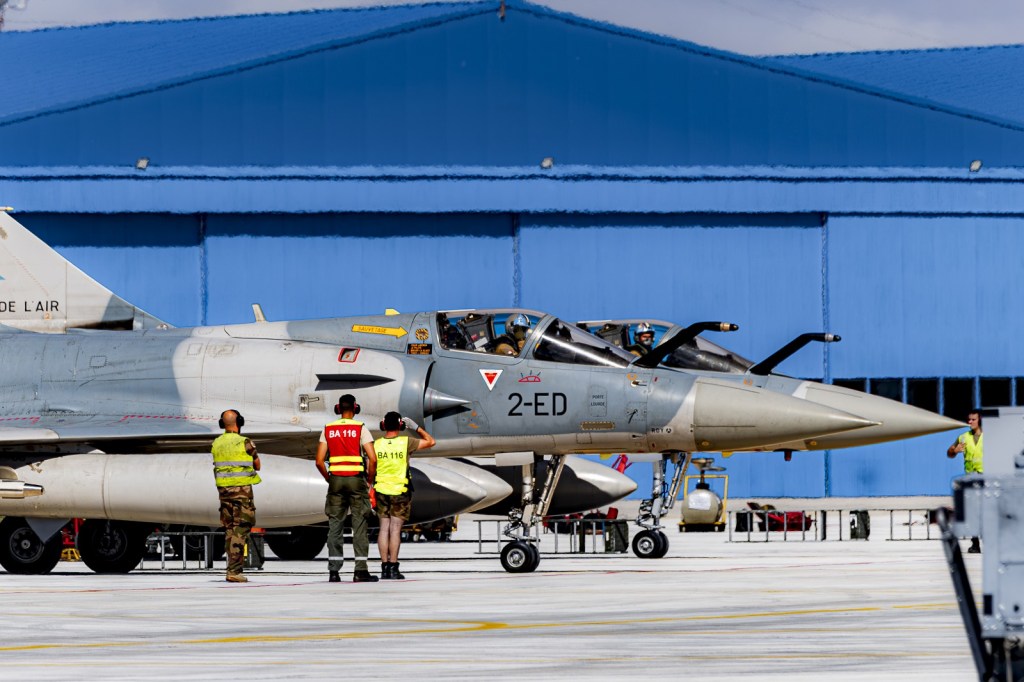
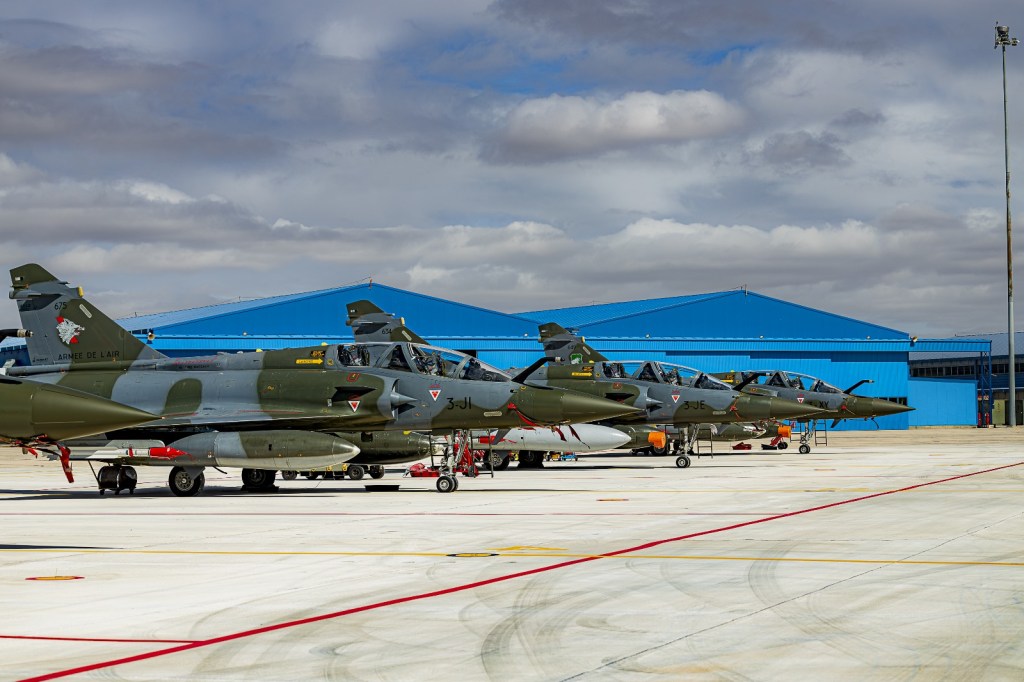
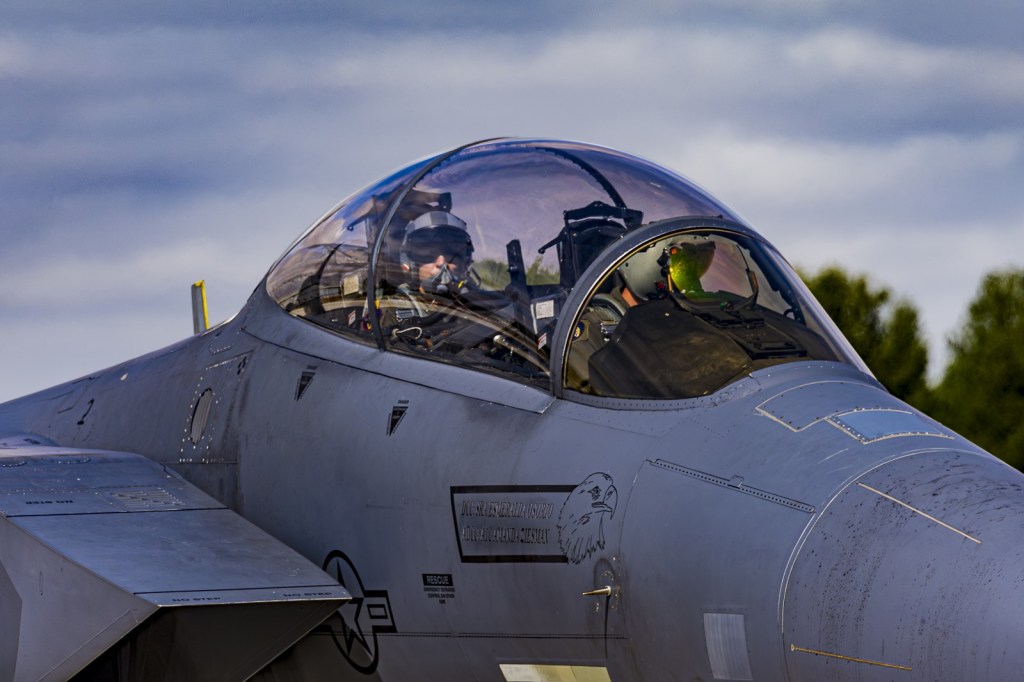
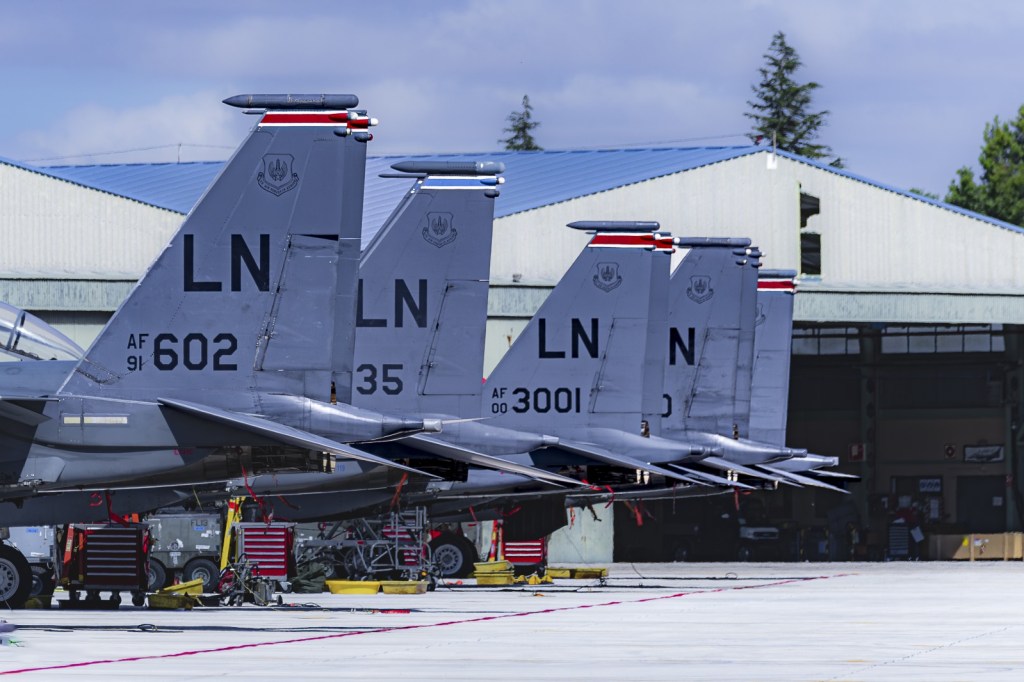
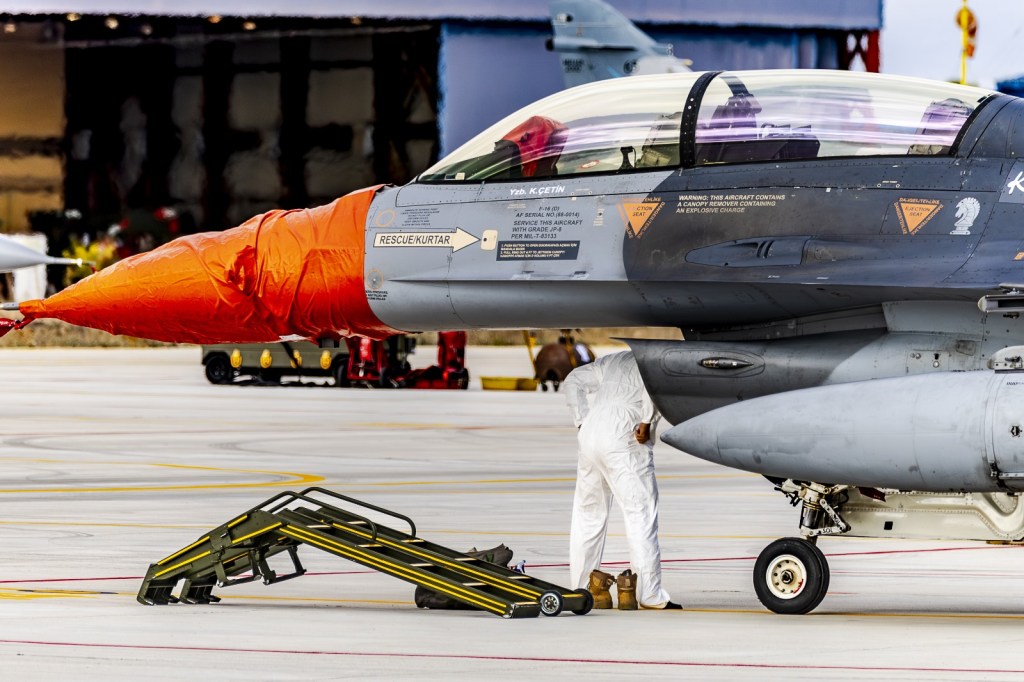
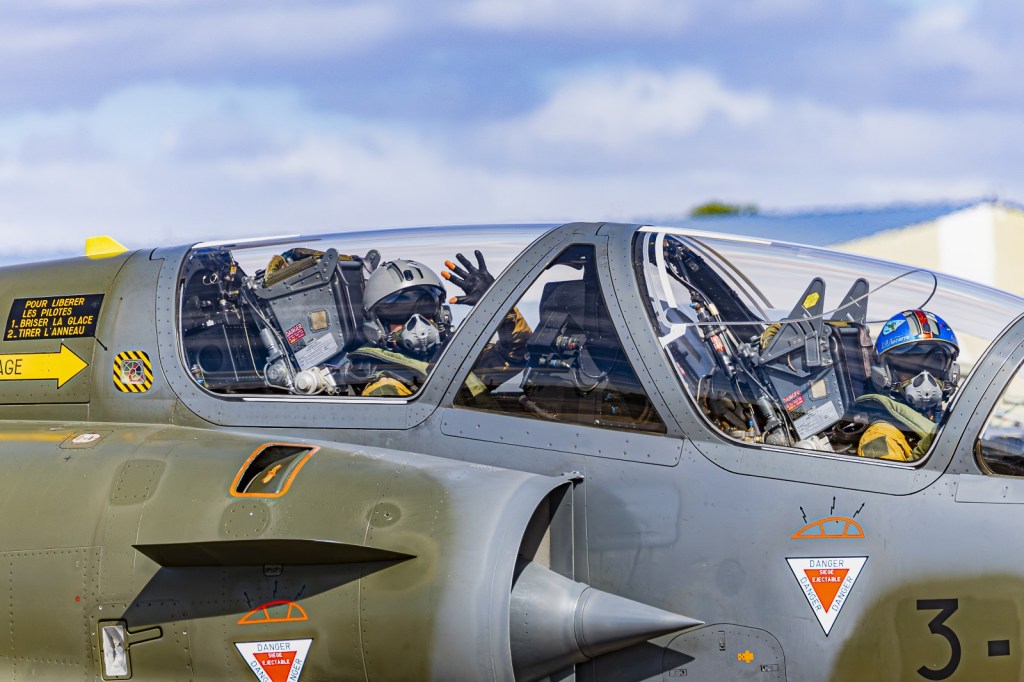
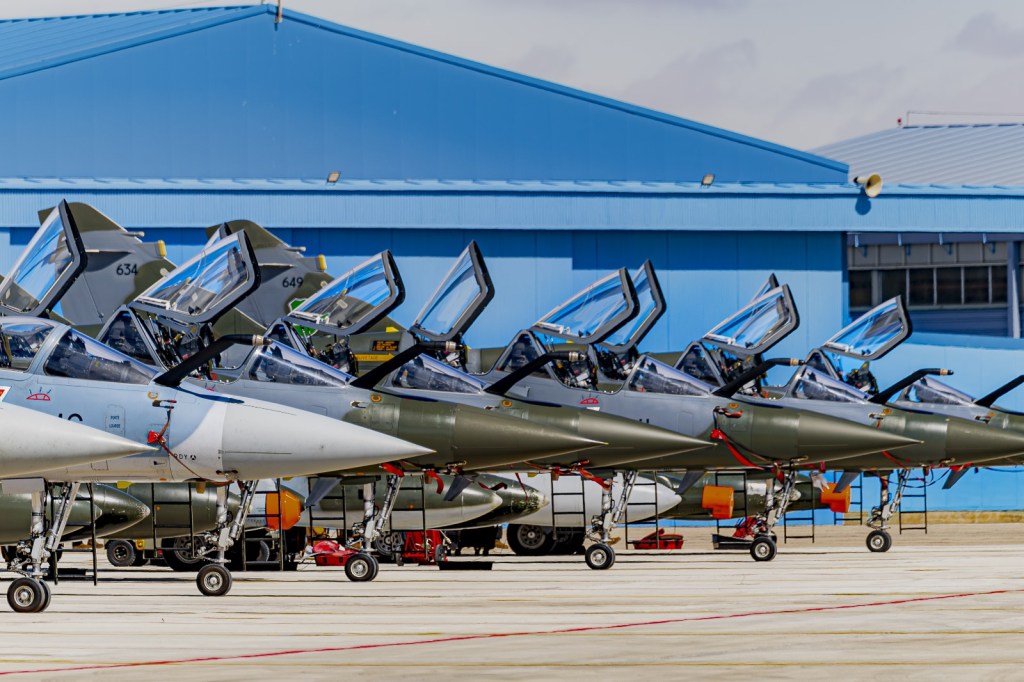
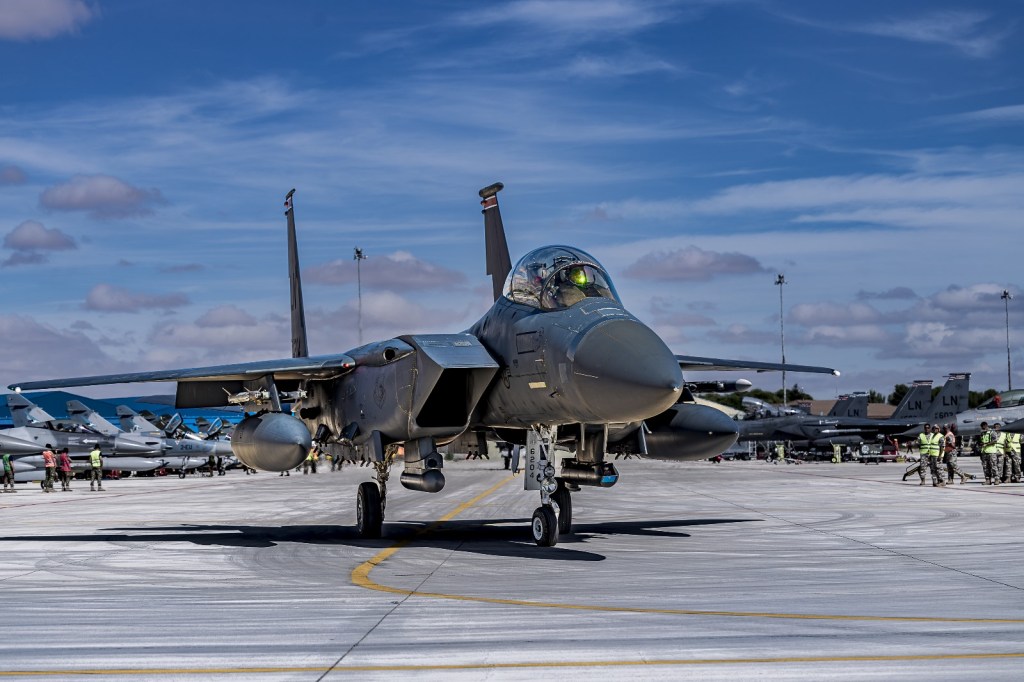
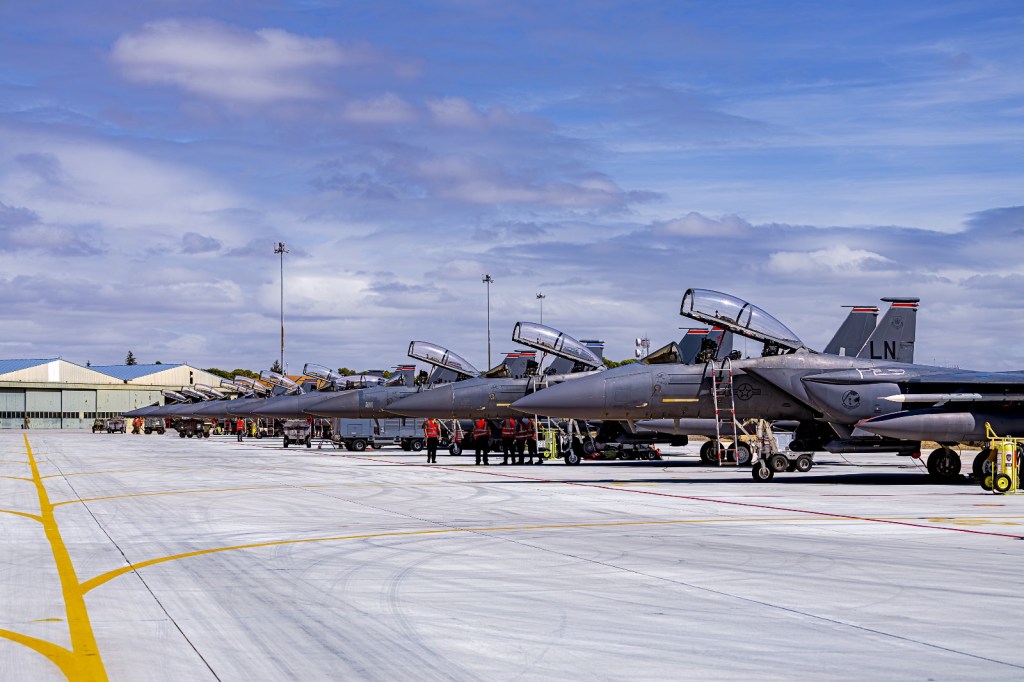
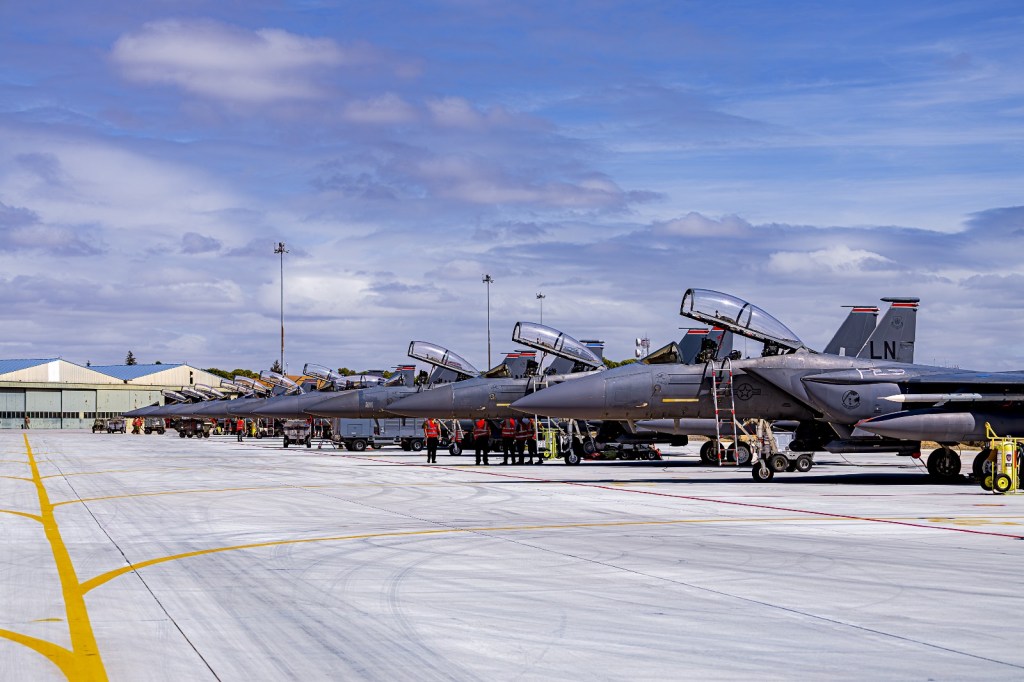
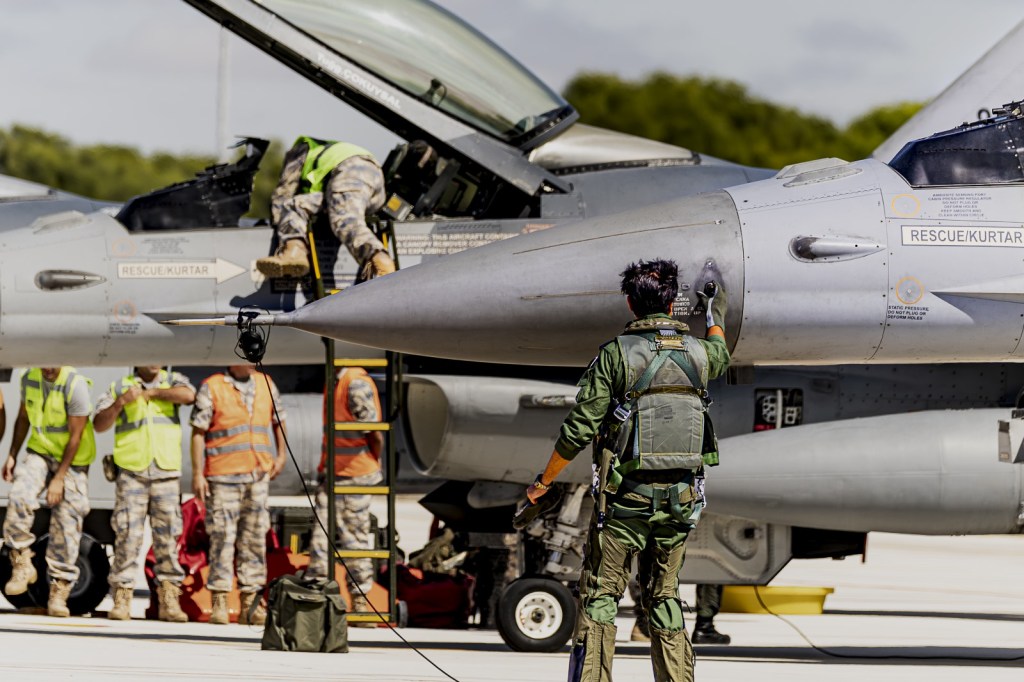
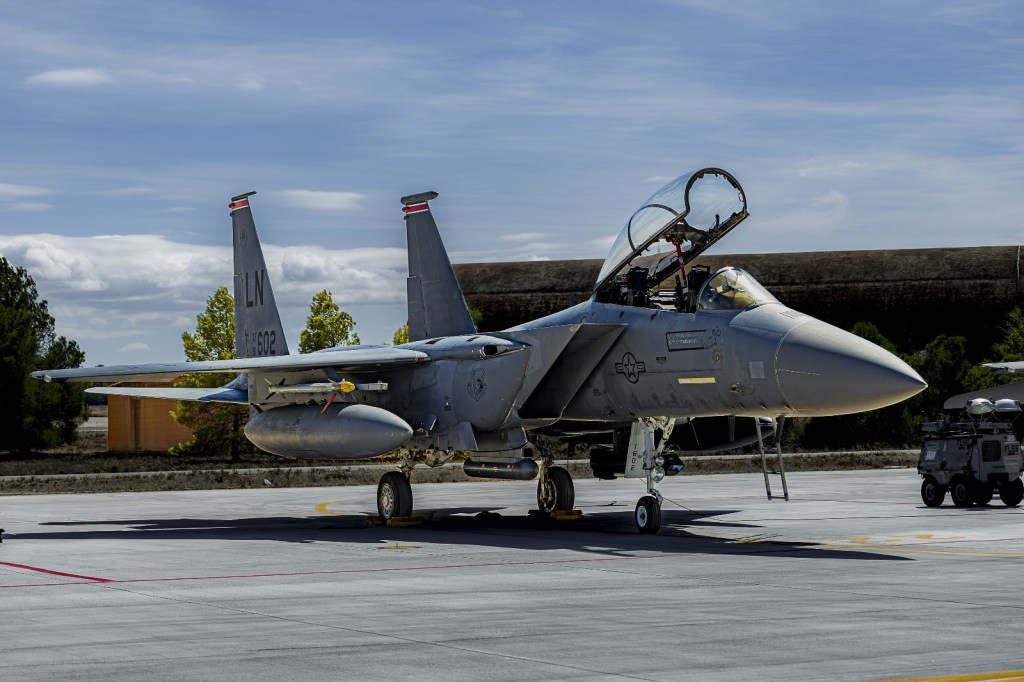
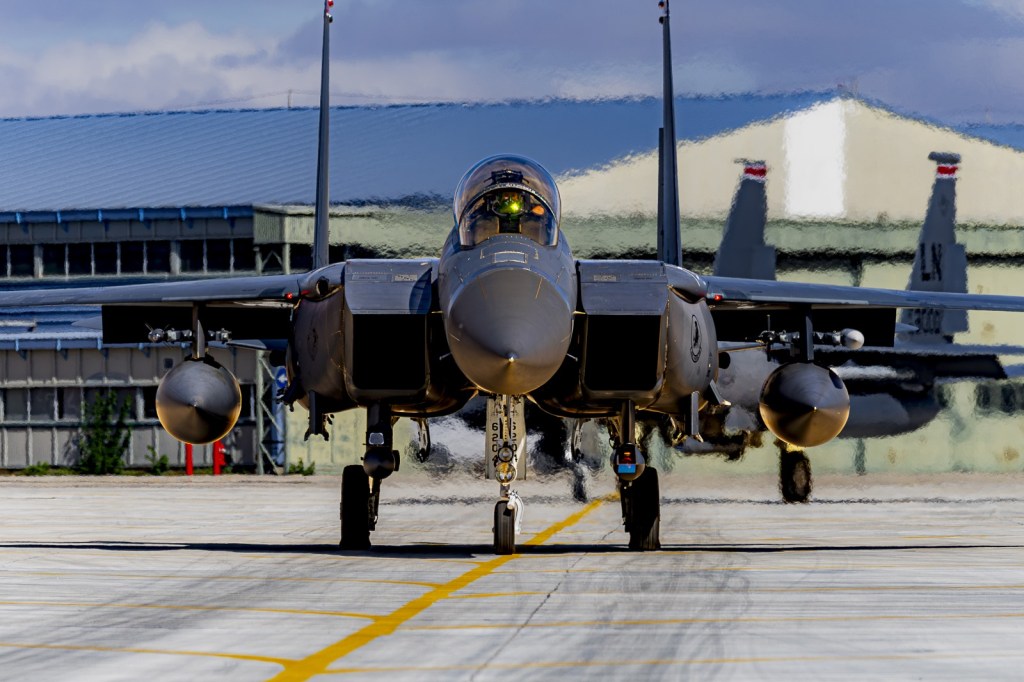
After lunch, I moved to an area where I could observe the crews preparing the aircraft . I had the opportunity to watch the pilots and staff taxi to the runway . This moment offered a unique insight into the coordination and precision required in TLP missions, and how training prepares the crews to face real-life scenarios.
My visit to the TLP ended with a feeling of respect and admiration for the work that is done daily at this center. The Tactical Leadership The Programme remains a bastion of excellence in the training of tactical leaders, constantly adapting to the challenges of the present and the future. Under the leadership of Colonel César Óscar Acebes Puertas, the TLP is well positioned to continue its mission of preparing NATO air forces to meet the challenges of today’s world.
Final Reflection
The day at the TLP allowed me to witness the great effort and dedication that goes into training the tactical leaders of tomorrow. The TLP not only adapts to new technologies, but also fosters collaboration between multinational forces to ensure efficient and cohesive air defence. Under the leadership of Colonel Acebes, this programme is consolidating itself as a global benchmark in advanced tactical training, ensuring that NATO air forces continue to be a key player in international stability.
From Los Llanos Air Base – Albacete (Spain): Ramón Ignacio Martín Corral
Links:
Impressions (photo: Ramón Ignacio Martín Corral)




Scopri di più da Best Shot Aircraft
Abbonati per ricevere gli ultimi articoli inviati alla tua e-mail.
 Best Shot Aircraft