
The first course of 2026 consolidates TLP’s comprehensive advanced training model, integrating planning, live execution and tactical simulation within a fully multinational environment.
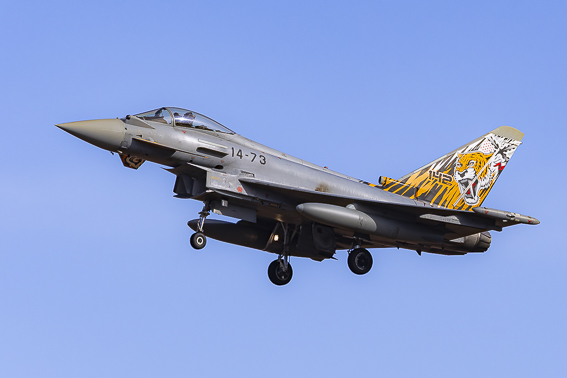
The Tactical Leadership Programme conducted FC 2026-01 between 15 January and 6 February, marking the first major advanced tactical training cycle of the year. Despite demanding conditions, the course maintained its established standards, reaffirming the structural robustness of the TLP model.
Development Under Constraint
Following the academic and simulator phase, live flying commenced on 26 January. Adverse weather conditions forced the cancellation of several live missions.
However, the course commander told us that the overall development was “highly satisfactory,” emphasizing that TLP is structurally prepared to adapt to such contingencies without compromising its training standards.
Although not all live sorties could be executed, training objectives remained unchanged and were achieved through full integration of the MACE simulator within the training cycle.
An Integrated Training Structure
Approximately 600 personnel were hosted during FC 2026-01, with 39 graduates:
- 26 aircrew
- 6 intelligence officers
- 7 tactical air controllers
The colonel emphasized that TLP training must not be viewed solely through flight hours. Airborne execution represents only two out of twelve daily training hours, while planning, coordination and debriefing remain the core pillars of advanced tactical education.
A High-Complexity Multinational Environment
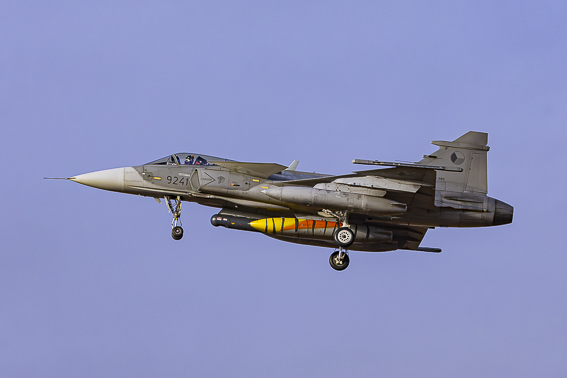
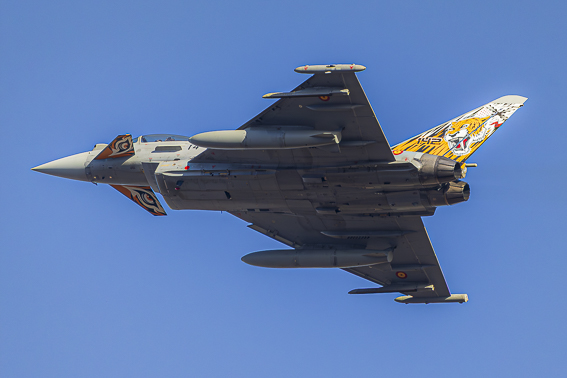
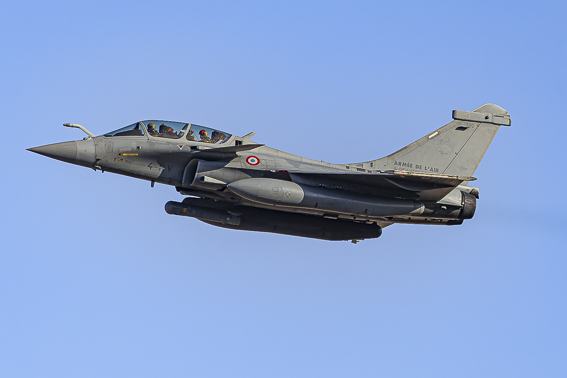
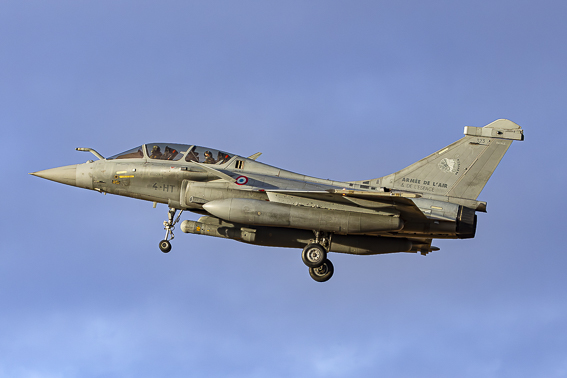
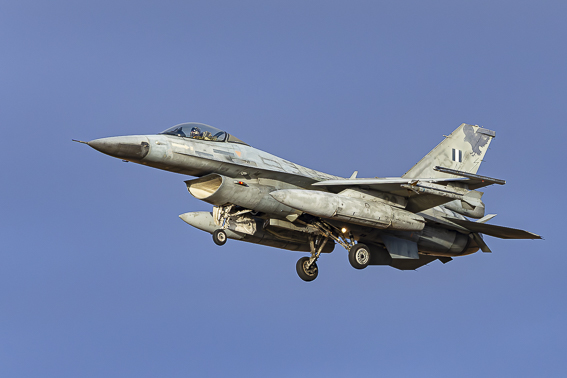
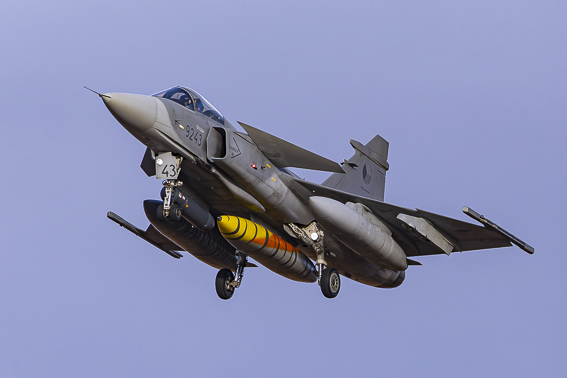
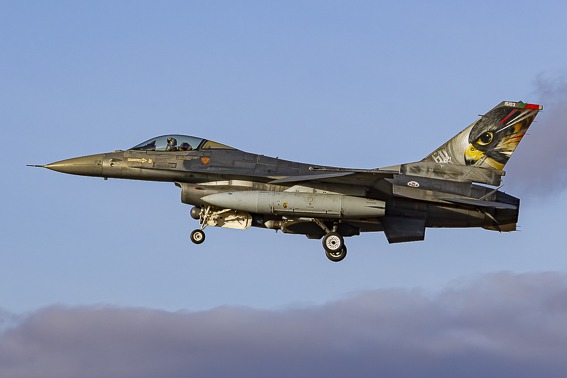
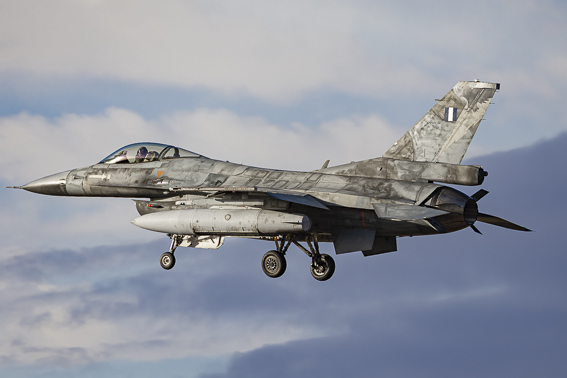
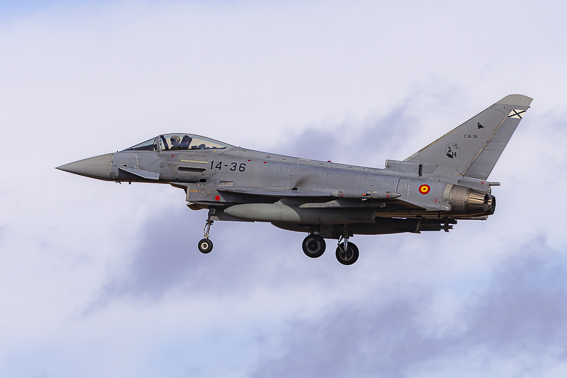
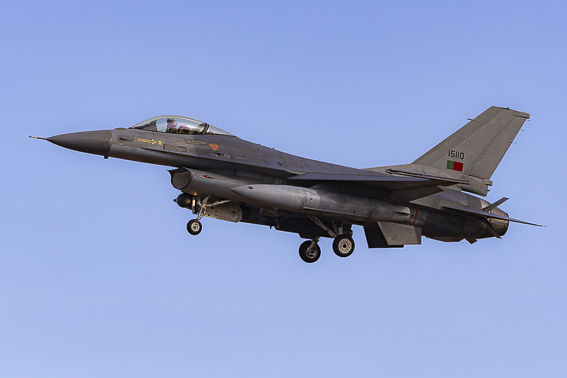
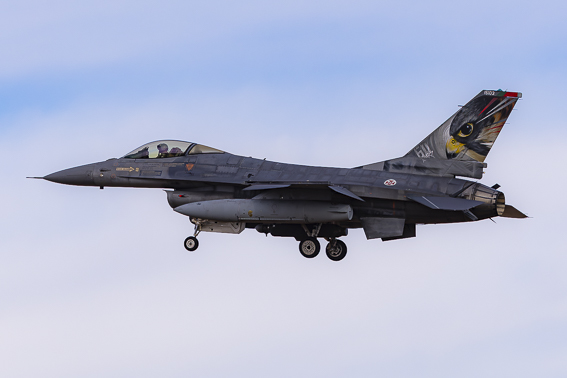
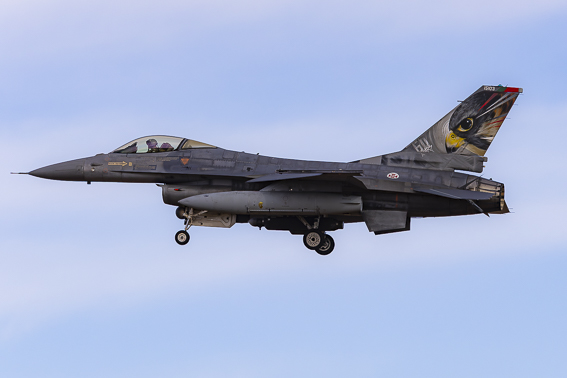
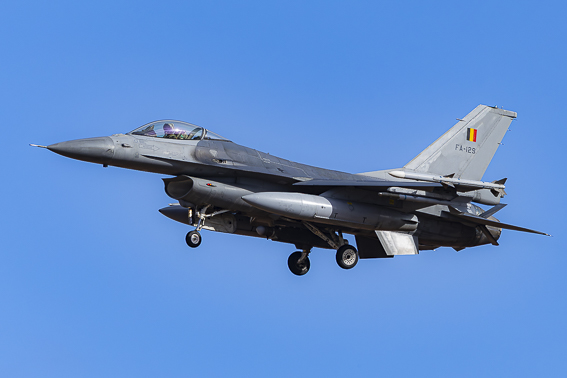
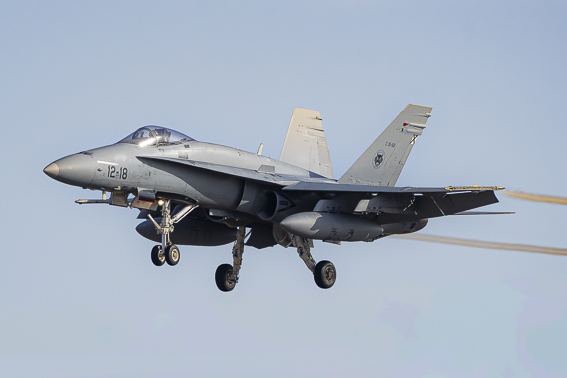
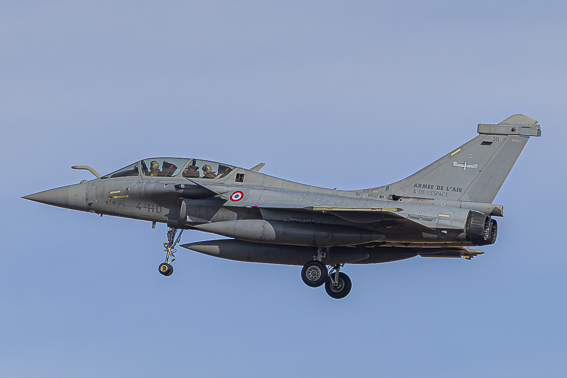
Blue forces deployed 22 aircraft, including Spanish Eurofighters, Belgian, Greek and Portuguese F-16s, French Rafales and Czech Gripens.
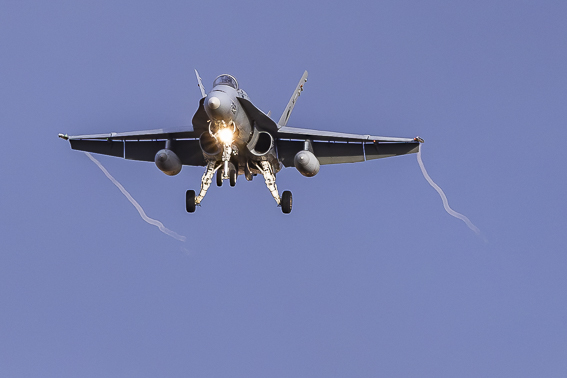
Red Air included more than 10 aircraft, integrating French Rafales, Spanish F-18s and allied F-16s.
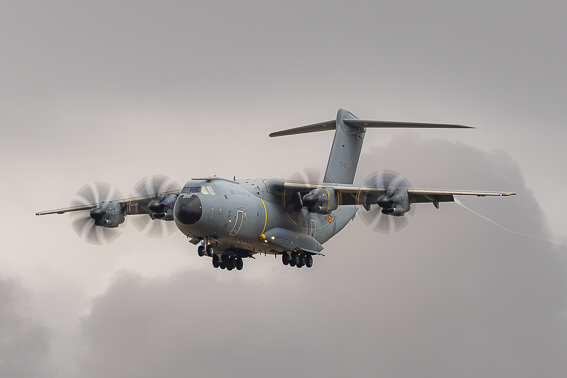
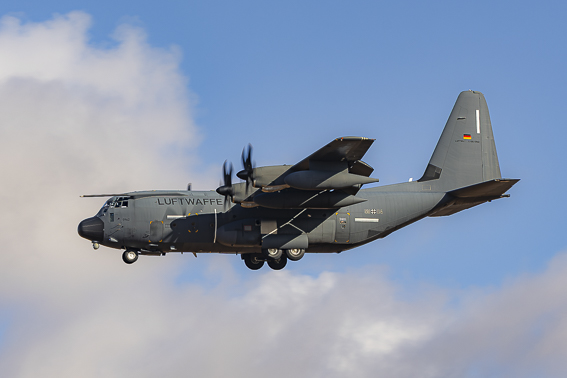
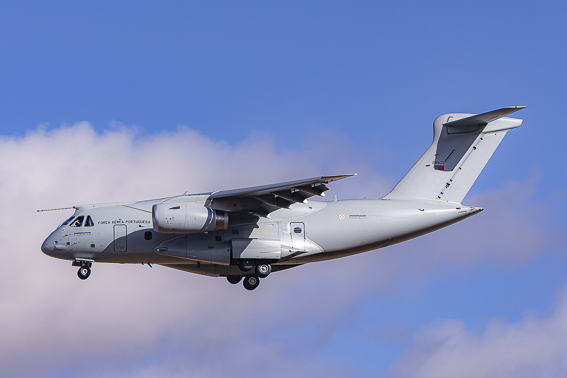
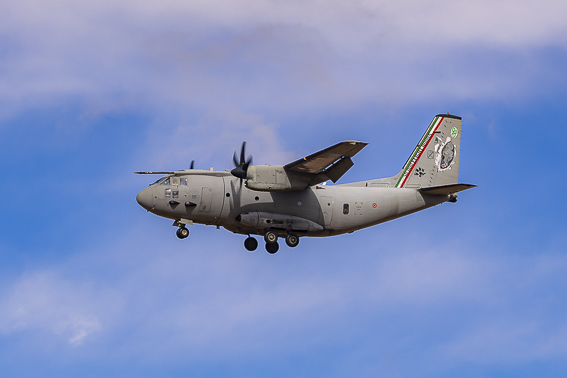
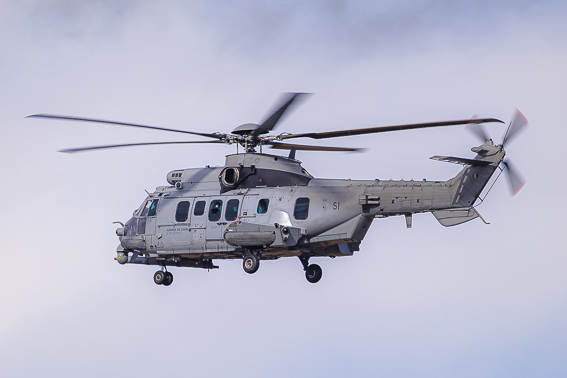
Supporting assets included a French E-3F AWACS, Spanish C2 elements, MQ-9 Predator B, aerial refueling by French MRTT and Italian KC-767, CSAR with a French Caracal helicopter, tactical airlift, and integration of the French aircraft carrier Charles de Gaulle and its Rafale-M fighters.
Ground-based air defense systems (NASAMS, SKYGUARD, MISTRAL) further increased scenario realism.
Simulation as Evolutionary Driver
According to the course commander, the expanded use of MACE allowed significant evolution in simulator-based tactical employment. Lessons learned during FC 2026-01 will lead to capability improvements in future courses.
He also stressed that advanced technological integration provides flexibility that would have been unthinkable years ago, ensuring sustained training quality even under severe external constraints.
Final Assessment
The overall evaluation of FC 2026-01 is clearly positive. The colonel highlighted resilience, flexibility and professionalism as key factors enabling the successful completion of the course.
FC 2026-01 confirms that TLP’s advanced training model is not defined solely by flight hours, but by its ability to integrate planning, interoperability and adaptability within a coherent multinational framework.
Scopri di più da Best Shot Aircraft
Abbonati per ricevere gli ultimi articoli inviati alla tua e-mail.
 Best Shot Aircraft