
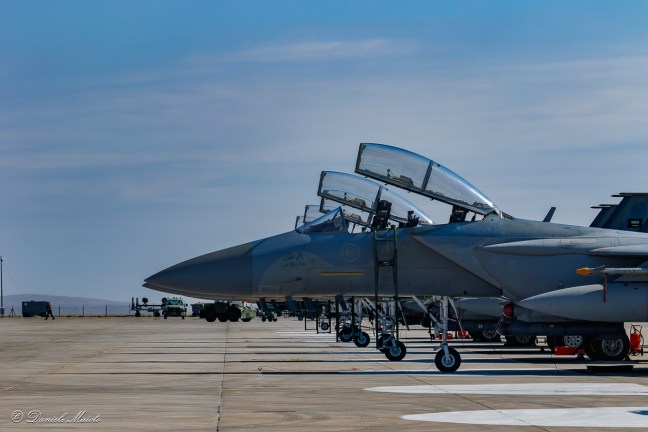
Every year, both a national and international air exercise is held at the Turkish air base in Konya, on the central Anatolian plateau. After modernizing its armed forces, Turkey felt the need to continuously train and maintain its military operations. It participated in exercises abroad and subsequently developed its own internal military exercises.
In the aeronautical field, Turkey thus conducted exercises very similar to the US Red Flag, called “Anatolian Flag.” With the new millennium, the Turkish Air Force inaugurated the first Anatolian Eagle (AE) at 3. Ana Jet Üssü (3rd Main Jet Base), with the USA and Israel as foreign participants.
This important international exercise has been held since the end of June 2001 and continues to this day, with new participants added in subsequent years, including NATO and crews from Asia. Although not strictly annual, some years it has not been held for various reasons. In some years it is held in multiple sessions, some of which are reserved for national participants only and other sessions are open to foreign participants.
High-quality NATO-level training
Over the years, Anatolian Eagle (AE) has become increasingly important to relations between Turkey and NATO. A dedicated military exercise village, now known as the “Anatolian Eagle” Training Center, has been established at Konya Air Base.
The AE training center offers the Turkish Air Force (TAF) and allied nations highly realistic combat exercises in a significantly more complex environment than conventional squadron or unit training.
The exercises are conducted in scenarios of increasing difficulty, from simple tactical missions to complex, large-scale air operations in a context of real-world warfare simulations. The quality of the training is constantly evaluated through IT-supported follow-up and real-time mission monitoring.
Furthermore, the size of the airspace, tactical distances, electronic threat simulations, and the number of aircraft involved allow for a very high level of training that is difficult to replicate.
From the first exercise until 2025, AE has involved a total of 41,000 soldiers, almost 3,400 aircraft during 55 exercises with approximately 27,000 missions, something like over 45,000 flight hours for the crews involved.
Turkish Navy Involved in 2025
With the 2025 edition, the Turkish Armed Forces also involved the Turkish Navy (Türk Deniz Kuvvetleri). During AE 25, the G-class frigate TCG Gediz (F 495), the Kılıç-class Fast Attack Craft-missile boat TCG Zıpkın (P-336), the Burak-class corvette TCG Bafra (F-505), and the Akar-class replenishment oilers and fleet support ships TCG Akar (A-580) were present on the open Mediterranean Sea stage, acting as maritime anti-surface warfare platforms to support air operations.
This is yet another example of how this important military exercise is evolving more complexly, facilitating the growth and experience of the Turkish and international crews involved each year.
AE-25 took place from July 23 to 4, 2025, with the following participants:
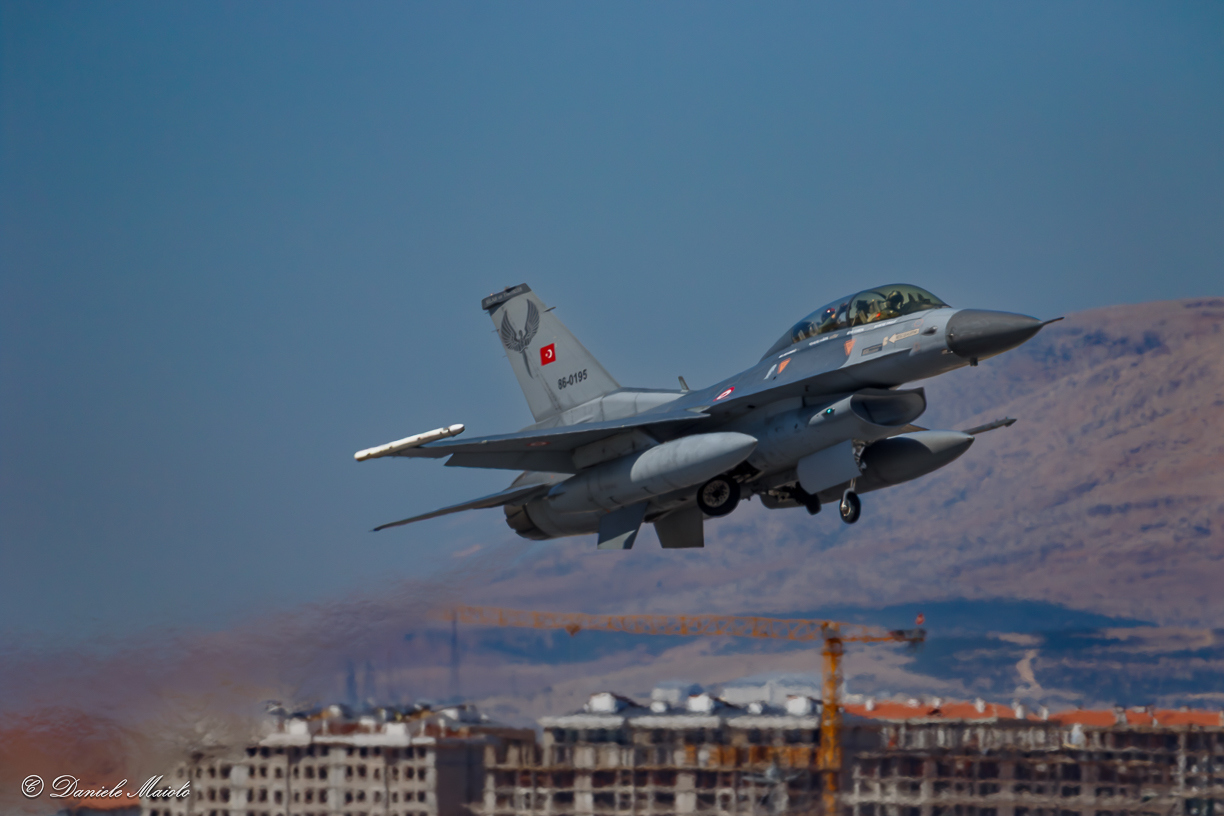
- Turkish Air Force: 113. Filo, 132. Filo, 151. Filo, 161. Filo with F-16s, il 131. Filo with 3 Boeing B737-7ES AEW&C, 135. Filo with a CASA CN-235, the 311 OSEM Filo with 2 UAV: a Baykar Akinci and TAI Anka, the 101. Tanker Filosu (Asena) with a Boeing KC-135 Stratotanker for in-flight refuelling during daily missions;
- NATO: Boeing E-3A Sentry (C2) from Geilenkirchen, Germany;
- US Air Force: 12 F-16s from Aviano AFB (Italy);
- Azerbaijan: 2× Sukhoi Su-25K “Frogfoot” (A/G, with Talisman ADS);
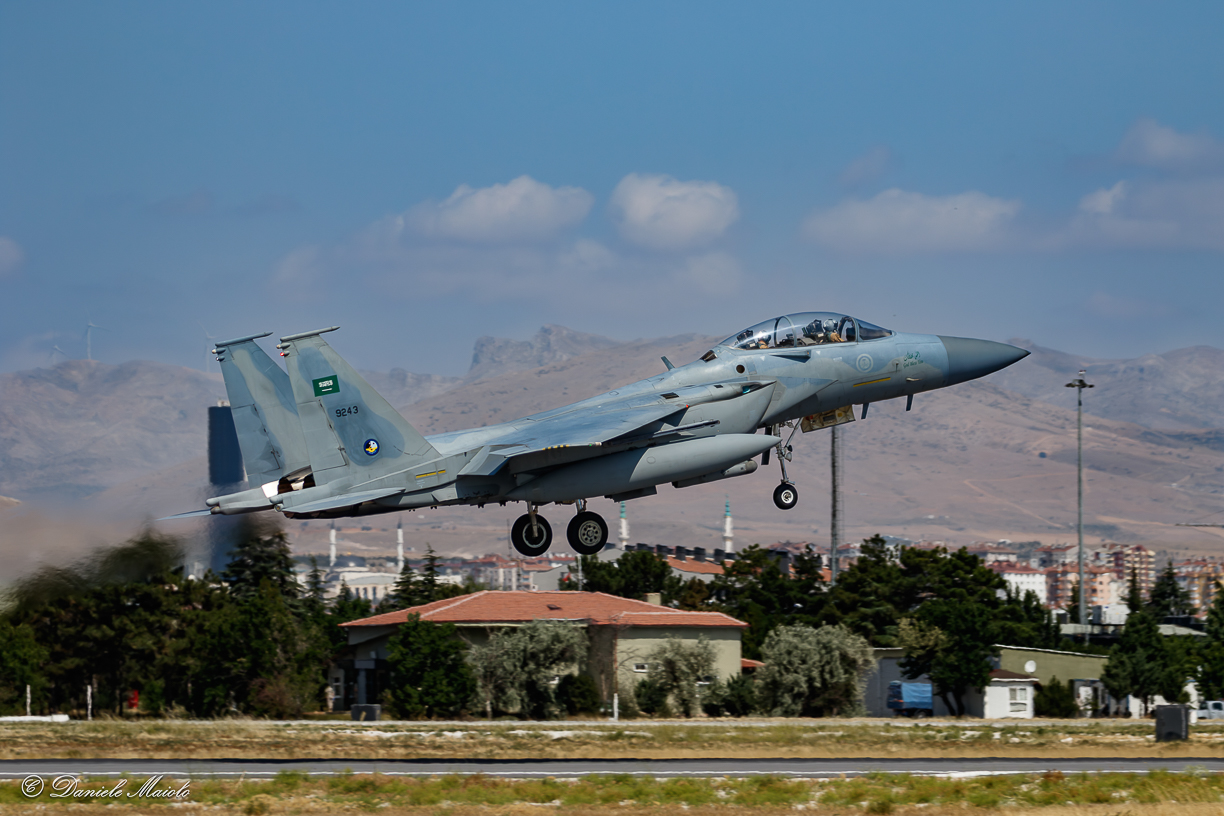
- Saudi Arabia: 6× Boeing F-15SA Eagle II;
- Qatar: 3× Eurofighter Typhoon;
- Jordan: 3× F-16;
- Hungary: 3x SAAB JAS 39 Gripen;
- Turkish Navy: Frigates “TCG Akar”, “Gediz”, “Zipkin”, “Bafra” in Anti-surface warfare (ASuW) deployment.
Special guest of Anatolian Eagle 2025 edition is “Baba Phantom”, a McDonnell Douglas F-4E Phantom II (reg. 77-0303) from 111. Filo, wearing the livery commemorating the Phantom’s 50th anniversary of service in Turkey.
Forty-five Turkish aircraft and 30 guests from foreign nations are participating in a planned 415 sorties (for a total of 786 flight hours), impressive numbers for this military exercise, which now often involves the Turkish industrial hub to test new equipment.
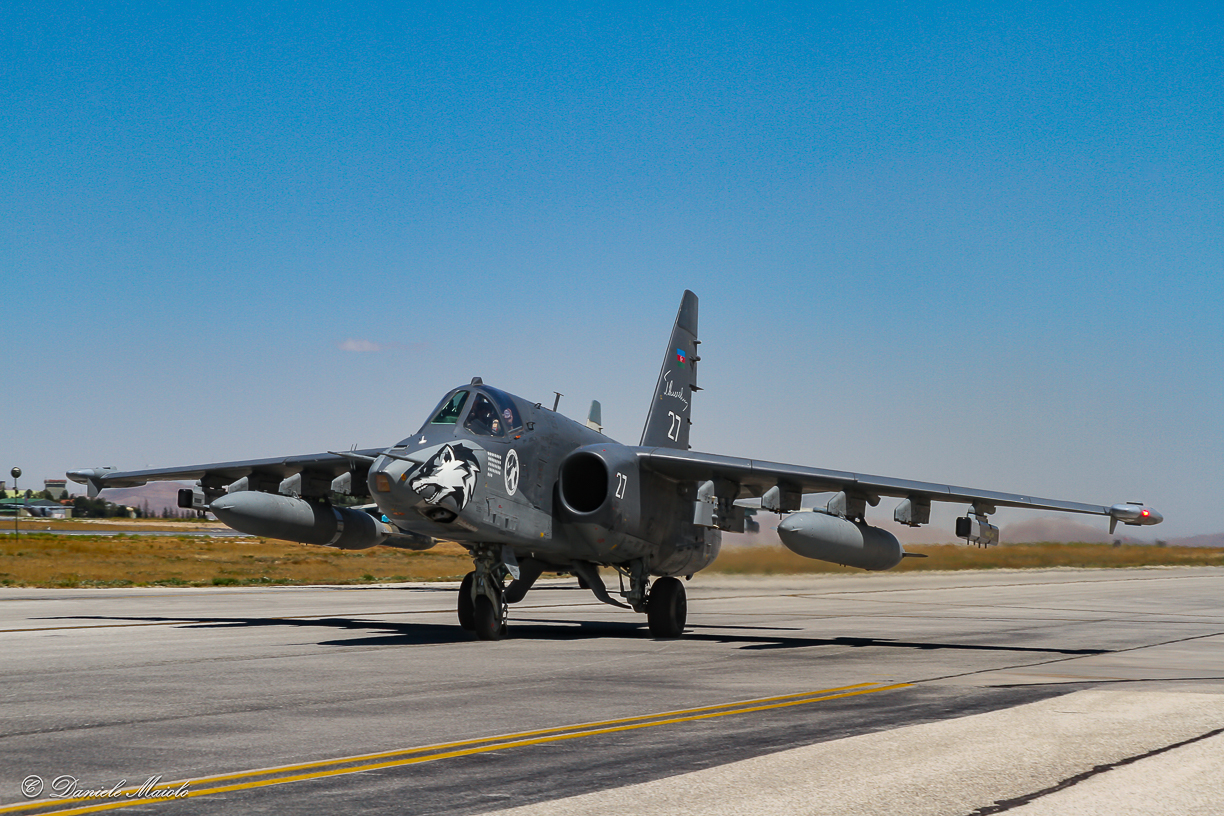
Technology transfer through Turkish industry
Turkish armed forces with the support of the Turkish Aerospace Industries (TAI) deployed new equipment like the UAVs: TAI Anka-S and Anka-3, Cruise missile drones: Şimşek and Super-Şimşek, electronic warfare: Havasoj, Karasoj, Ihasoj mission tracking SDT ACMI systems with live kill feedback and LVC compatibility and used new management software STORM & C2SE.
Anatolian Eagle Training Center
At Konya Air Base in Turkey, crews and their technicians are housed in an internal “citadel,” constantly evolving over the years, known as the Anatolian Eagle Training Center (AETC). The AETC is under the management of Maj. Ekrem ÇEKİN, Turkish Air Force Anatolian Eagle Training Command squadron commander.
The citadel is divided into Blue and Red zones, which identify the two military entities that will “clash” during the exercise, called Red Country and Blue Country, or also Red Forces and Blue Forces. The facilities include buildings with accommodation and rooms for briefings and mission preparation, facilities for the crews’ physical training and technical needs, and common areas for relaxation and interaction between crews.
Red Forces in a Separate Area
Red Forces acting as the enemy, as mentioned, conduct their operations from a separate facility, exclusively in a specially designated building, known as “Red Building.” Access is strictly limited to those “Red Forces” who can enter the building, but they are consequently prohibited from accessing other areas of the base. This prevents unwanted information exchange between “opposing” crews, keeping the combat simulation during the exercise as realistic as possible.
The facilities provide ample space for technical exchange and even non-military activities, allowing crews from various nations and cultures to meet and enjoy leisure time together, as well as exchange professional and technical knowledge.
What’s new at AE 2025
Three firsts at the 2025 edition of the Anatolian Eagle, the evolution of the exercise on Turkish soil has seen the implementation of 3 new training levels in this edition:
1. Crisis Phase Implementation
For the first time in an international exercise, crisis phase scenarios preceding the outbreak of war were simulated through actual flight missions. Within this framework, pilots were trained in preventive air operation planning, rules of engagement, and deterrence techniques aimed at preventing a surprise attack before conflict erupts. This represents one of the most advanced models of preparation for the preservation of peace.
2. Cruise Missile Interception Training
Also, for the first time in the Anatolian Eagle Exercise, Blue Force elements conducted interception and elimination operations in response to a simulated mass cruise missile attack launched by the Red Force. This scenario tested the joint reaction capabilities of the Turkish Air Force and allied units against asymmetric missile threats that may be encountered in modern warfare environments.
3. Use of Unmanned Aerial Vehicles (UAV) in a strike role
For the first time in an internationally conducted exercise within the scope of conventional operations, UAVs alone were assigned to perform direct strike missions. More importantly, manned fighter aircraft conducted escort and protection missions for the Turkish Defense industry-produced Akinci, Anka-S, and Anka-3 UAVs operating in the strike role. This scenario represents one of the most advanced examples of manned-unmanned system integration and showcases the technology-driven transformation capacity of both the Turkish Armed Forces and the Turkish defense industry.
Additionally, as part of this year’s Anatolian Eagle Exercise, the strike plans prepared by the pilots were tested in combat simulator used by many countries prior to the actual flights. When the results obtained from the real missions were compared with the simulation outputs, it was observed that they matched by over 90%. This clearly demonstrates how realistic and closely aligned with operational conditions the Anatolian Eagle Exercise truly is.
Squadron Commander
“This training is designed to give aircrew maximum freedom to solve problems presented by tactical scenarios,” said Maj. Ekrem ÇEKİN, Turkish AirForce Anatolian Eagle Training Command squadron commander. “Anatolian Eagle Trainings allow our partners the opportunity to compare and improve capabilities, tactics and procedures in a safe and instructive way through a shared vision and operational synergy.”
As Commander ÇEKİN clearly stated, the AE is a fundamental exercise for the tactical and technical improvement of the crews involved. Aided by the facilities and vast operational area, the involvement of numerous units beyond the Air Force, and the support of the Turkish aerospace industry, participants in this renowned event can enhance their operational and technical capabilities and learn from interaction with international crews.
During such an unstable period, such exercises can enhance the defensive and population protection capabilities of the Military Forces involved and help improve relations between the various nations present at each edition.
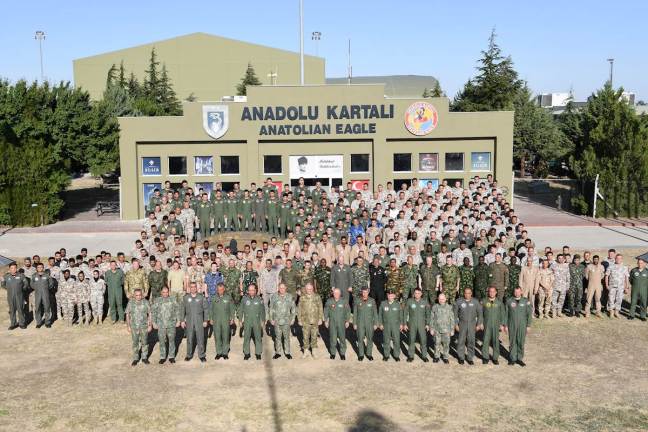
Anatolian Eagle becomes Europe’s Tactical Center of Excellence
With over 27,000 missions since 2001, more than 41,000 participating soldiers, and a permanently expanded infrastructure, Konya has established itself as a strategic training hub in the NATO area. The Turkish Armed Forces continue to invest in sensor technology, UAV integration, and electronic warfare—with the clear aim of developing Anatolian Eagle into the leading multinational center for tactical air operations in Europe and Eurasia.
These types of exercises, with a massive deployment of personnel and equipment, can often create problems with the local population. Konya, however, offers ample security for the population and crews. Furthermore, during these events, special days are often organized for enthusiasts and anyone interested in participating and perhaps even purchasing a souvenir of the event.
Spotters at Anatolian Eagle
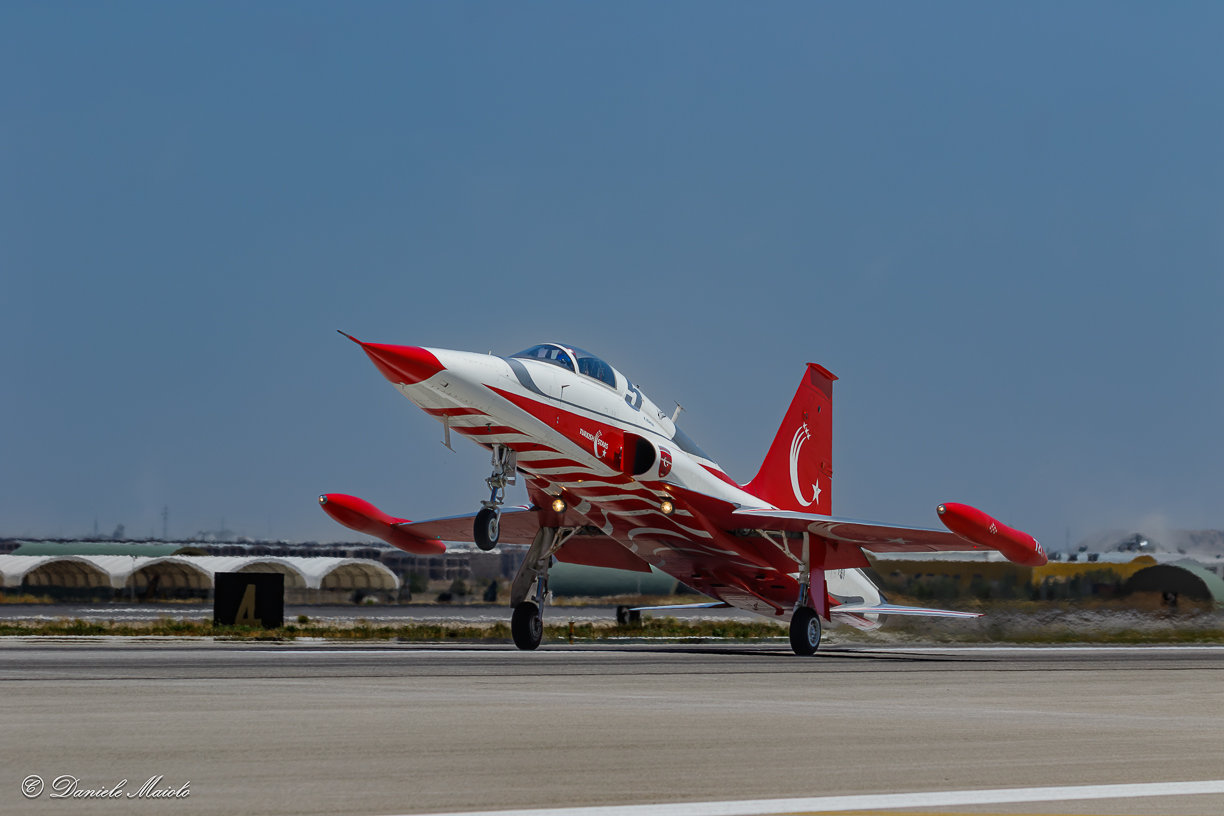
The AE is a coveted event for spotters, who also have a special day dedicated to it, where they have the opportunity to capture precious images of many aircraft, some of which are rare compared to what can be seen in Europe. While carrying out necessary safety checks, the Turkish Air Force offers excellent opportunities for these enthusiasts. In 2025, the prestigious Turkish aerobatic team, Türk Yıldızları (Turkish Stars), performed a spectacular display for the eyes and cameras of the enthusiasts in attendance, which they then repeated the following day on Press Day.
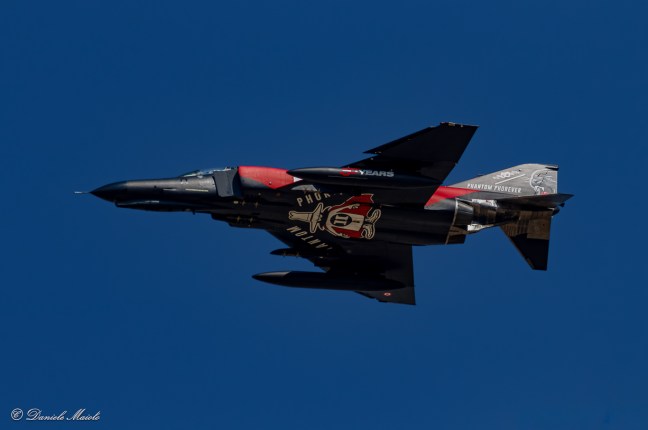
Spotters were also treated to a special Elephant Walk featuring 30 aircraft used in the exercise, including the iconic McDonnell Douglas F-4E Phantom II 77-0303, painted in black and featuring the 50th anniversary livery of the Phantom in Turkish service. Subsequently, 12 aircraft took off representing the crews present and performed several flyovers, led by the “Baba Phantom”.
Media at Anatolian Eagle
The Media also enjoyed a special day at the 2025 edition, in which we participated as Best Shot Aircraft. On July 3th, 2025, we were invited to participate in base operations, beginning with an interesting briefing with Air Force Major General Mete Kuş, Commander of the 3rd Main Jet Base, and Maj. Ekrem ÇEKİN, Turkish Air Force AETC squadron commander.
“For the first time in the Anatolian Eagle exercise, blue forces carried out interception and destruction operations against a simulated threat of numerous cruise missiles launched by forces representing a “Red Country.” In a first for an international exercise conducted under conventional operations, only UAVs were assigned direct bombing roles.” Major General Mete Kuş said.
We then observed the morning and afternoon flight operations, also having the opportunity to interact with some crews during the lunch break and to visit some areas of the AE facilities. In the afternoon, in addition to the flight operations, we attended the display of the Turkish Stars, whose home base is in Konya.
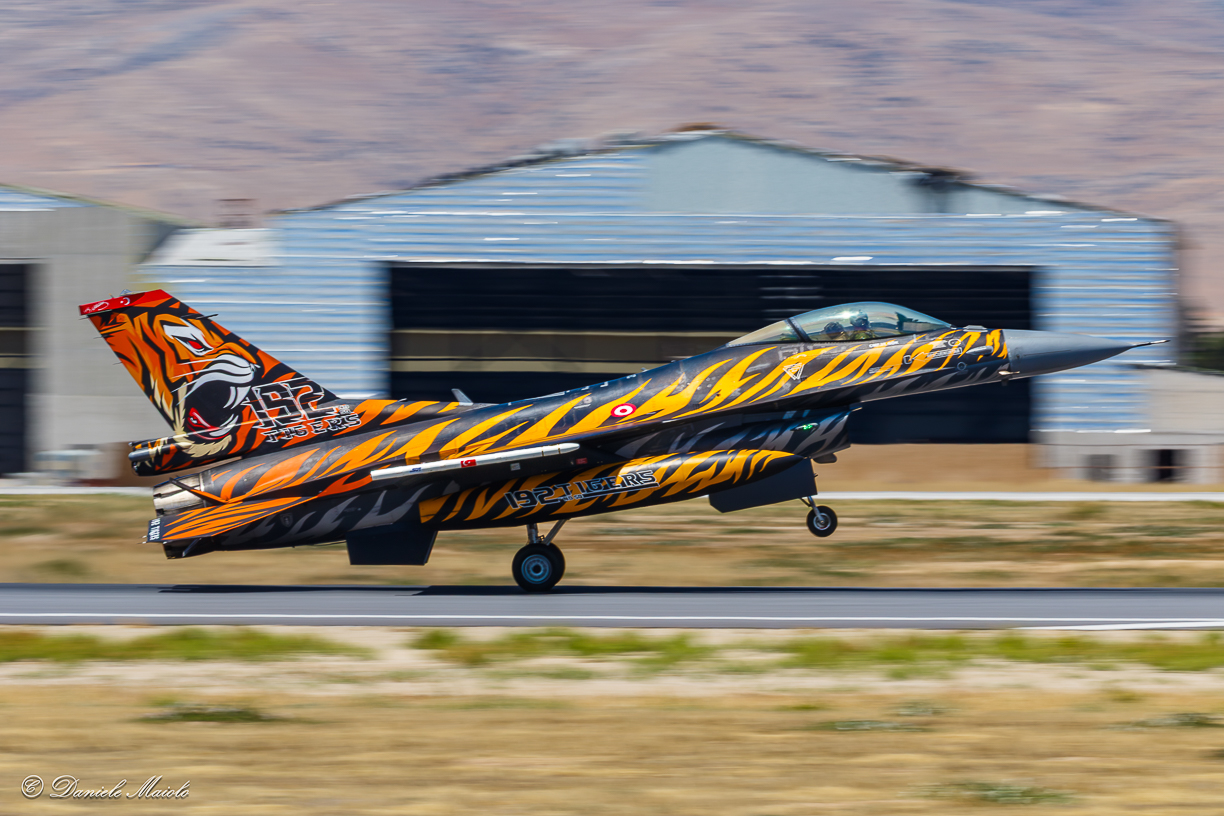
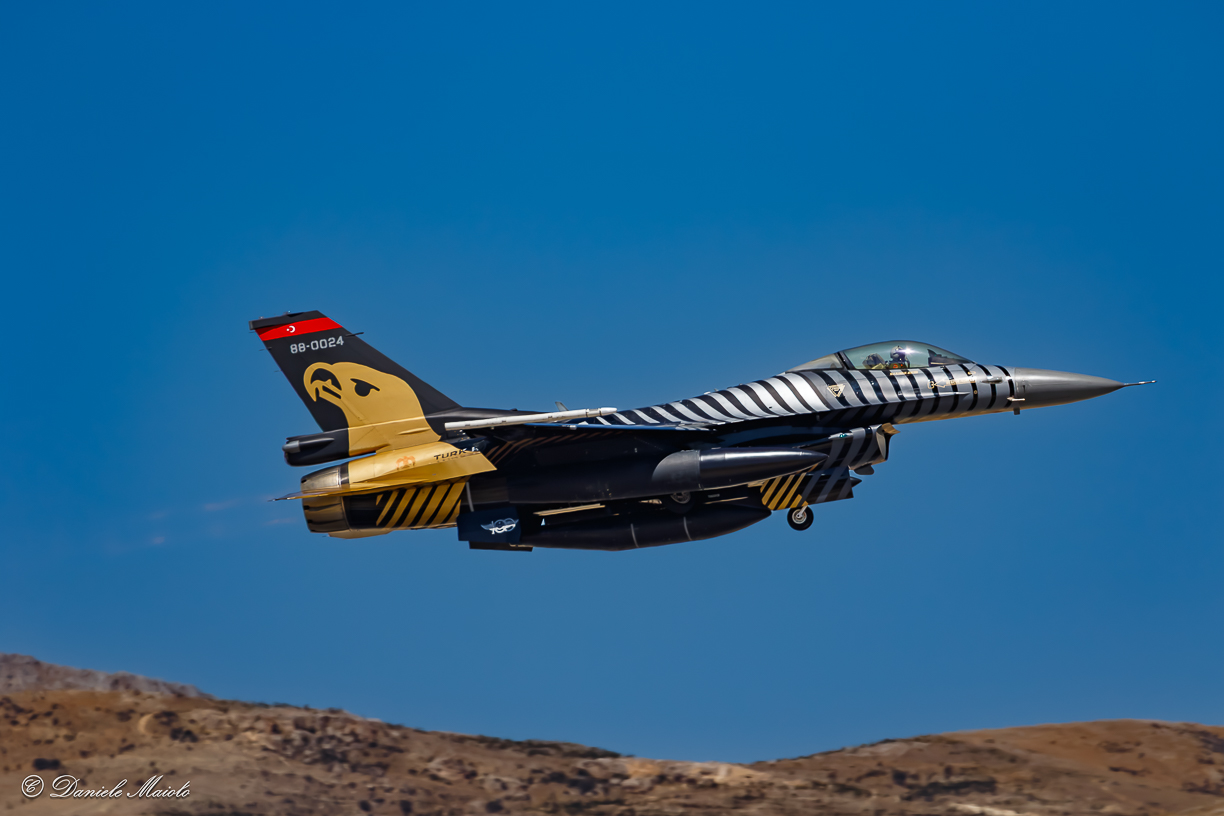
Among the various Turkish aircraft used in the exercise, we also saw an F16 in Solotürk livery, the famous Turkish F16 Solo Display, and the F16 of the 192nd Filo in “Tiger” livery for the NATO TigerMeet.
In addition to Turkey’s renowned hospitality, AE participants can enjoy a high level of both technological and tactical training. An event of great international interest which, like other famous military exercises, has become a regular fixture on the agenda of many Air Forces, and will continue to do so in the future.
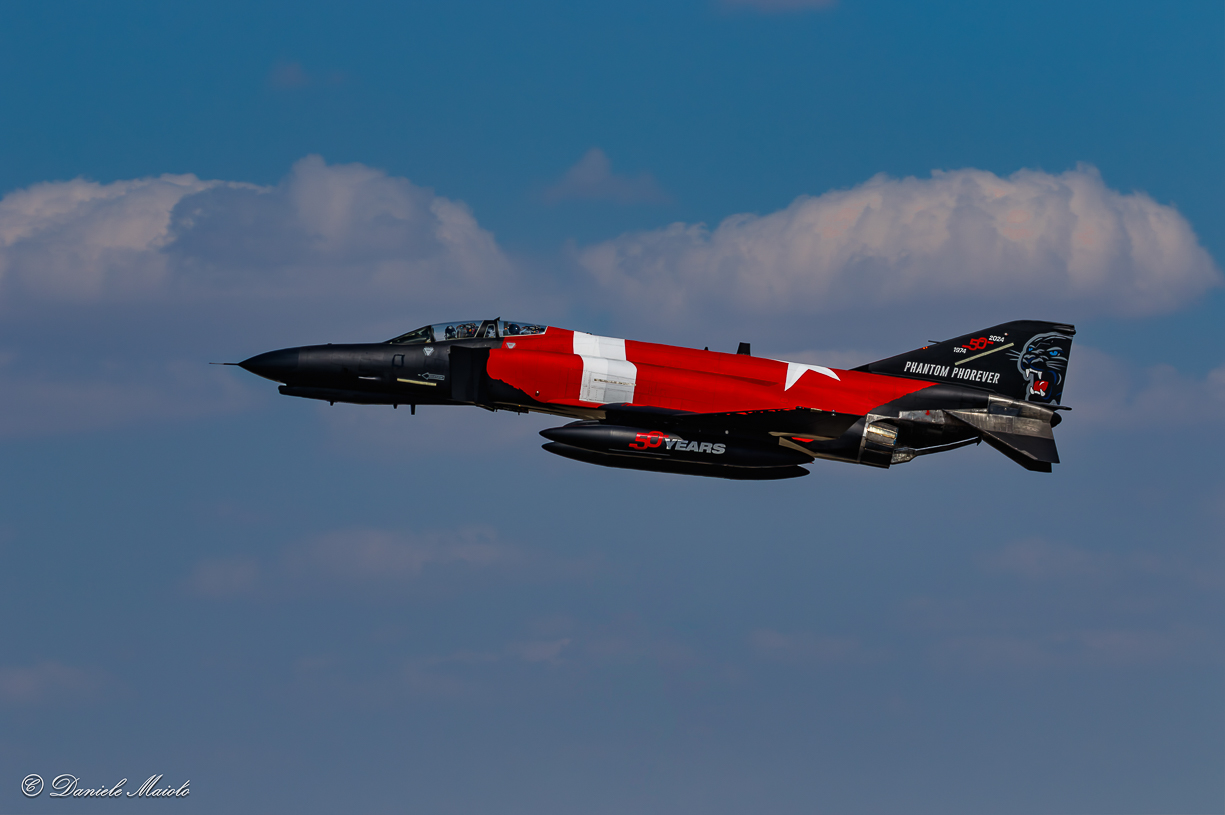
Anatolian Eagle 2026/2
For 2026 edition, Turkish Air Force conducted the first part of the exercise, titled Şht.Hv.Plt.Yb. Gökhan Korkmaz National Anatolian Eagle 2026/1 Training (in memory of the Turkish officer Lieutenant Colonel Gökhan Korkmaz, an Air Force pilot who died in service in a plane crash), from March 2nd to 13th, 2026. This first exercise, as in previous years, is reserved for Turkish assets, while for 2026/2, international guests will be added.
The official date has not yet been set, and there is currently no confirmation regarding the exercise’s conduct.
In some years, due to commitments or events involving the armed forces, the Anatolian Eagle may not be held. The current international situation and Turkey’s commitment to peace talks to end ongoing conflicts could lead to a reduced version of the exercise. We will have more information in the coming weeks (update April 2026).
From Konya (TK): Daniele Maiolo
Link:
Info about AE25-2 (in turkish)
Turkish Air Force
Scopri di più da Best Shot Aircraft
Abbonati per ricevere gli ultimi articoli inviati alla tua e-mail.

