
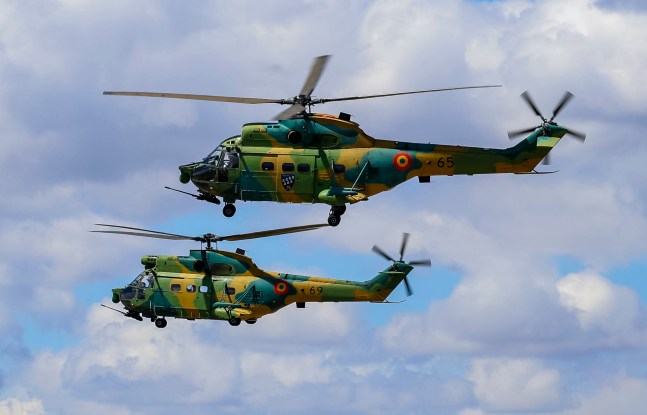
Multinational CSAR assets, ISR platforms and tactical rescue teams gathered at Albacete Air Base during the latest edition of the European Personnel Recovery course
Albacete Air Base once again became the center of multinational Personnel Recovery training in Europe during APROC 2026 (Air-Centric Personnel Recovery Operatives Course), the advanced NATO-oriented exercise focused on Combat Search and Rescue (CSAR) and Personnel Recovery procedures.
The exercise brought together around 270 military personnel from 15 nations, including flight crews, rescue specialists, maintenance personnel and operational support teams. Participating countries included Belgium, Bulgaria, Canada, Croatia, France, Germany, Hungary, Italy, the Netherlands, Portugal, Romania, Spain, Switzerland, the United Kingdom and the United States.
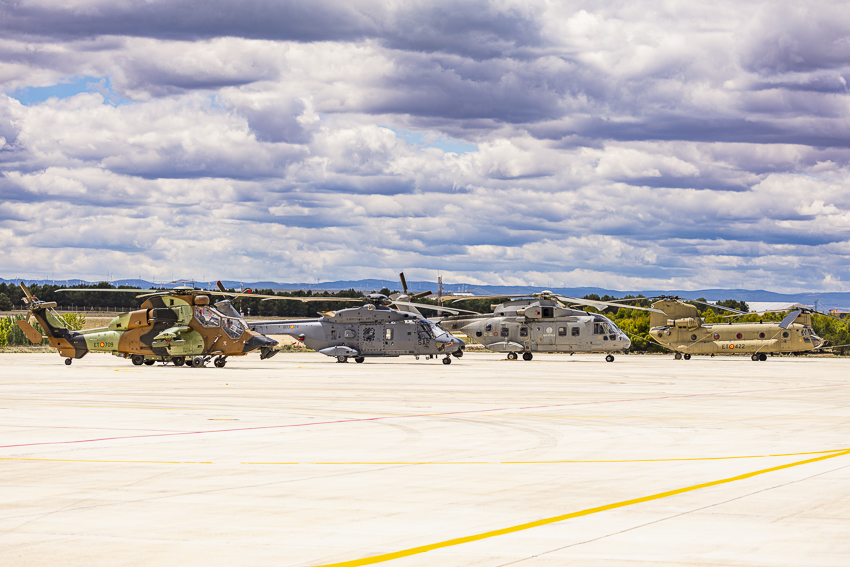
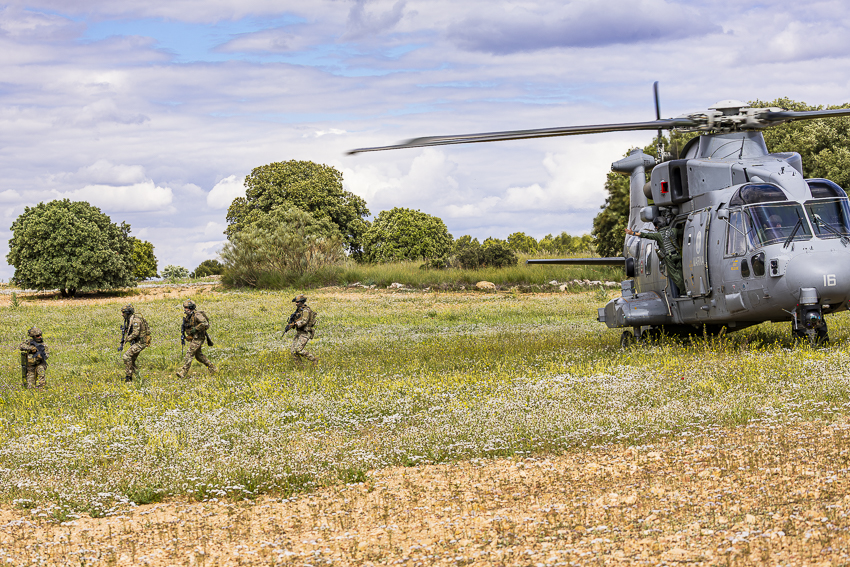
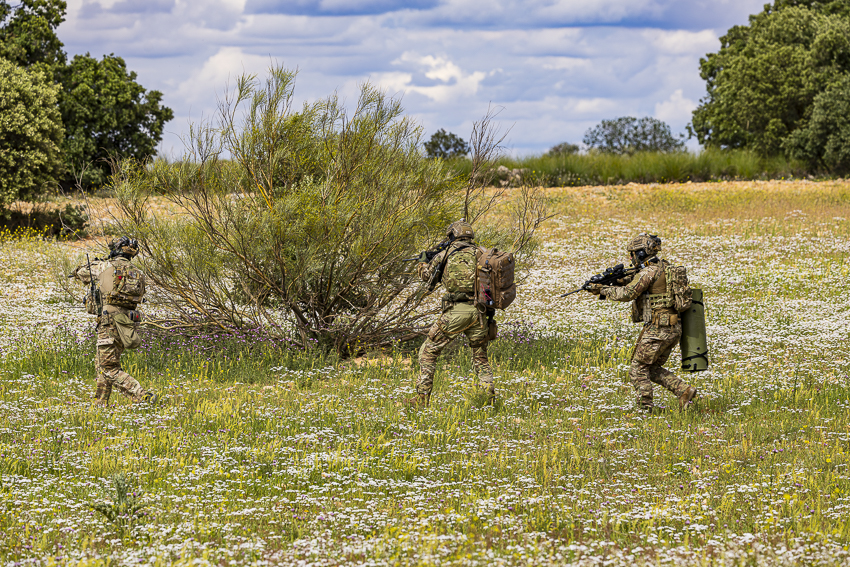
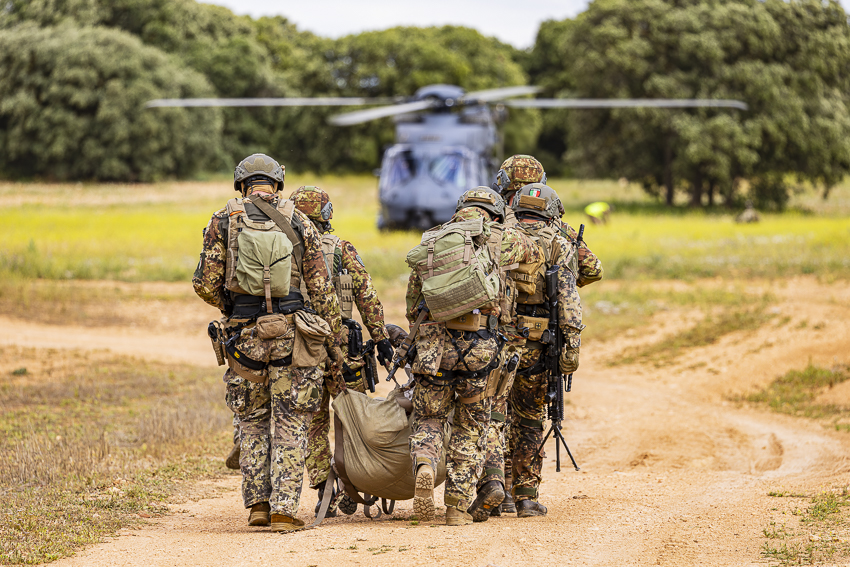
Unlike larger NATO air exercises centered on high-tempo fighter operations, APROC focuses on the recovery of isolated personnel in hostile environments, integrating helicopters, ISR assets, escort aircraft and extraction teams within a single multinational Personnel Recovery Task Force.
This year’s edition was notably smaller in scale than some previous iterations, something closely linked to the current international security situation and the operational commitments many participating nations are currently facing in active theaters and ongoing contingency operations.
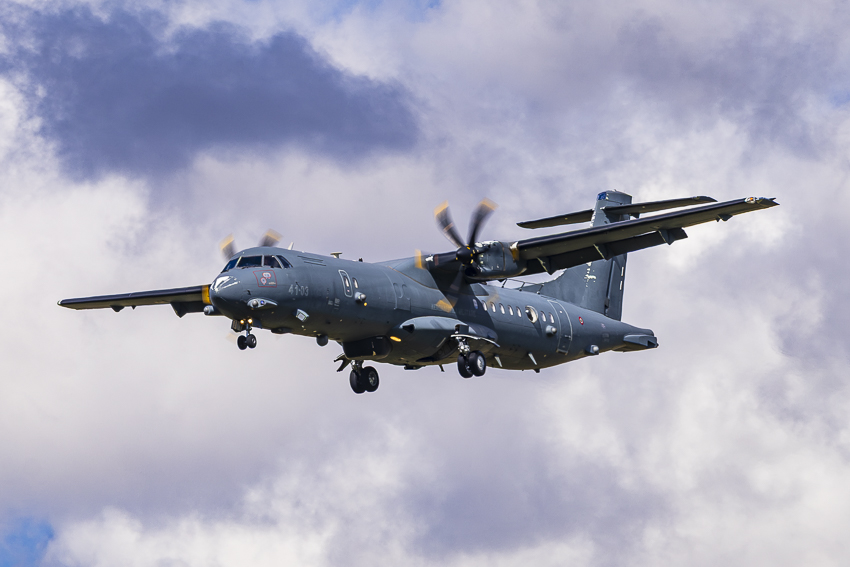
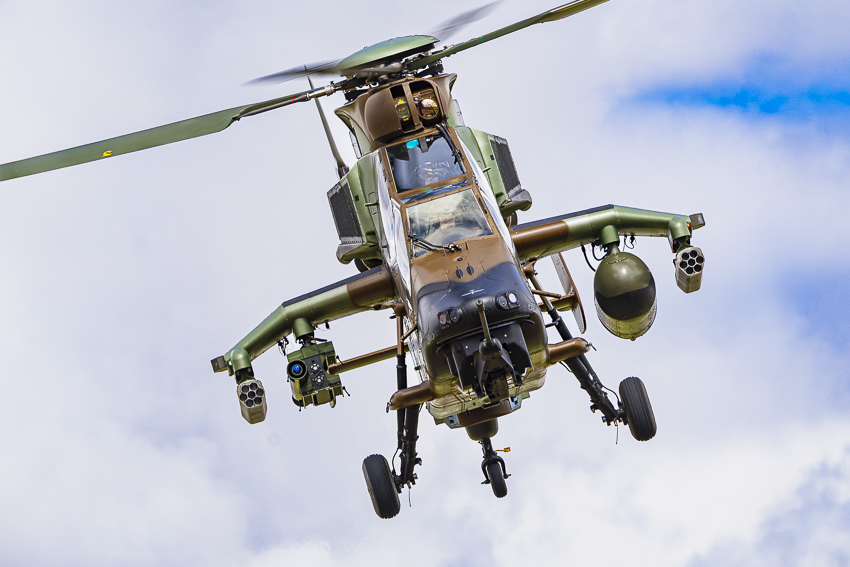
The flying component included nine helicopters and several supporting air assets contributed by participating nations. Spain deployed NH90 helicopters, MQ-9 Predator B remotely piloted aircraft and Tiger attack helicopters, while Italy contributed HH-101 helicopters, Eurofighter Typhoons and ISR aircraft. Romania also deployed Puma helicopters configured for tactical support and escort roles.
Lieutenant Colonel Víctor Aisa, from Spain’s Air Combat Command, explained that realism remains one of the key elements throughout the course, including simulated enemy threats and ground-based air defense systems integrated into the tactical scenarios.
According to Aisa, the main objective of APROC is to improve interoperability between multinational aircrews operating in Personnel Recovery roles within an international environment. He also highlighted that experienced pilots are evaluated as Rescue Mission Commanders, qualifying them to lead future multinational Personnel Recovery Task Forces.
One of the most relevant aspects of APROC 2026 was the strong ISR and command-and-control component integrated into the exercise. Dedicated surveillance and reconnaissance activity highlighted the increasing importance of intelligence gathering, networked coordination and situational awareness within modern Personnel Recovery doctrine.
Colonel Diego José Sánchez Caamaño, commander of Los Llanos Air Base and Ala 14, emphasized the advantages offered by Albacete as host location for the course, particularly the TLP infrastructure, the extensive airspace available for complex tactical operations and the logistical capabilities needed to support multinational deployments.
He also underlined the importance of the dedicated training areas used during the exercise, allowing crews to operate safely while minimizing disruption to civilian air traffic and surrounding populated areas.
Scopri di più da Best Shot Aircraft
Abbonati per ricevere gli ultimi articoli inviati alla tua e-mail.

